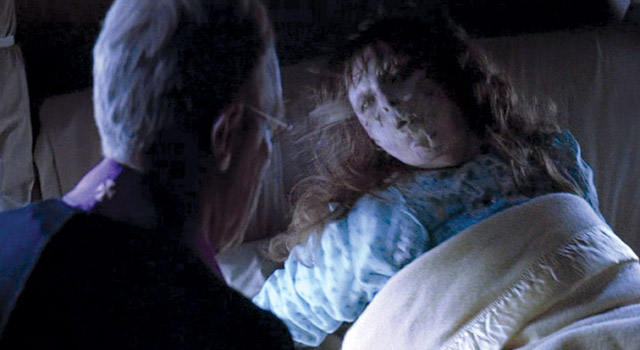
In the film, The Exorcist, directed by William Friedkin, there are many connections that can be made between the film and Barbara Creed’s article, “Horror and the Monstrous-Feminine: An Imaginary Abjection”. Throughout the film, Regan demonstrates many acts that would be considered abject, especially for a female girl her age. “All human societies have a conception of the monstrous-feminine, of what it is about women that is shocking, terrifying, horrific, abject”. Friedkin takes this into account and uses it to create a unique take on horror.
https://www.dga.org/Craft/DGAQ/All-Articles/0803-Fall-2008/Shot-to-Remember-The-Exorcist.aspx
Hoya Productions
Friedkin creates this unique horror by subjecting the film’s audience to different acts that most human societies deem abject. The most reoccurring act of abjection seen throughout the film is the ejection of bodily wastes. There are numerous scenes throughout the film that use this to horrify the audience. One scene in particular that is considered especially abject is when possessed Regan projectile vomits on the priest while he’s trying to perform the exorcism. This scene connects to Creed’s article when she says “The abject can be experienced in various ways, one of which relates to biological bodily functions”. This scene is considered to be especially abject because the idea of someone vomiting on a catholic priest is considered by most to be horrifyingly wrong.
http://www.realmoftektonikus.com/noises-in-the-attic-part-2-conclusion
Hoya Productions
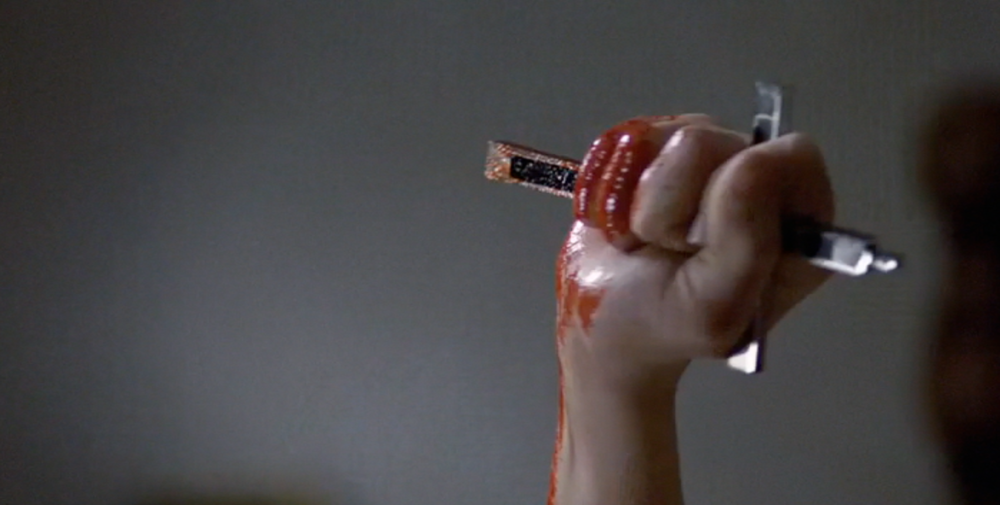
Another abject scene that the audience is subjected to is the scene when possessed Regan violently pleases herself with a crucifix. The idea of this alone is deemed horrifyingly wrong and unholy. What made this scene more abject to the audience is the fact that they witnessed Regan smear her blood on her mother’s face. This scene connects back to Creed’s article when she says, “The modern horror film often “plays” with the audience, saturating it with scenes of blood and gore…in one scene blood from her wounded genitals mingles with menstrual blood to provide one of the film’s key images of horror.” This scene is a perfect example of a women being horrifically abject.
Friedkin uses actions deemed by most human societies to be abject, to create a unique sense of horror. This film in a way created a new sense of horror. This film was more psychologically disturbing than scary for the audience. Friedkin did this by using societies’ concept of “what it is about women that is shocking, terrifying, horrific, abject” to create a film that made its audience cringe and be horrifically disturbed. This is exactly what The Exorcist made its audience do.
 Brendan's CMS Blog